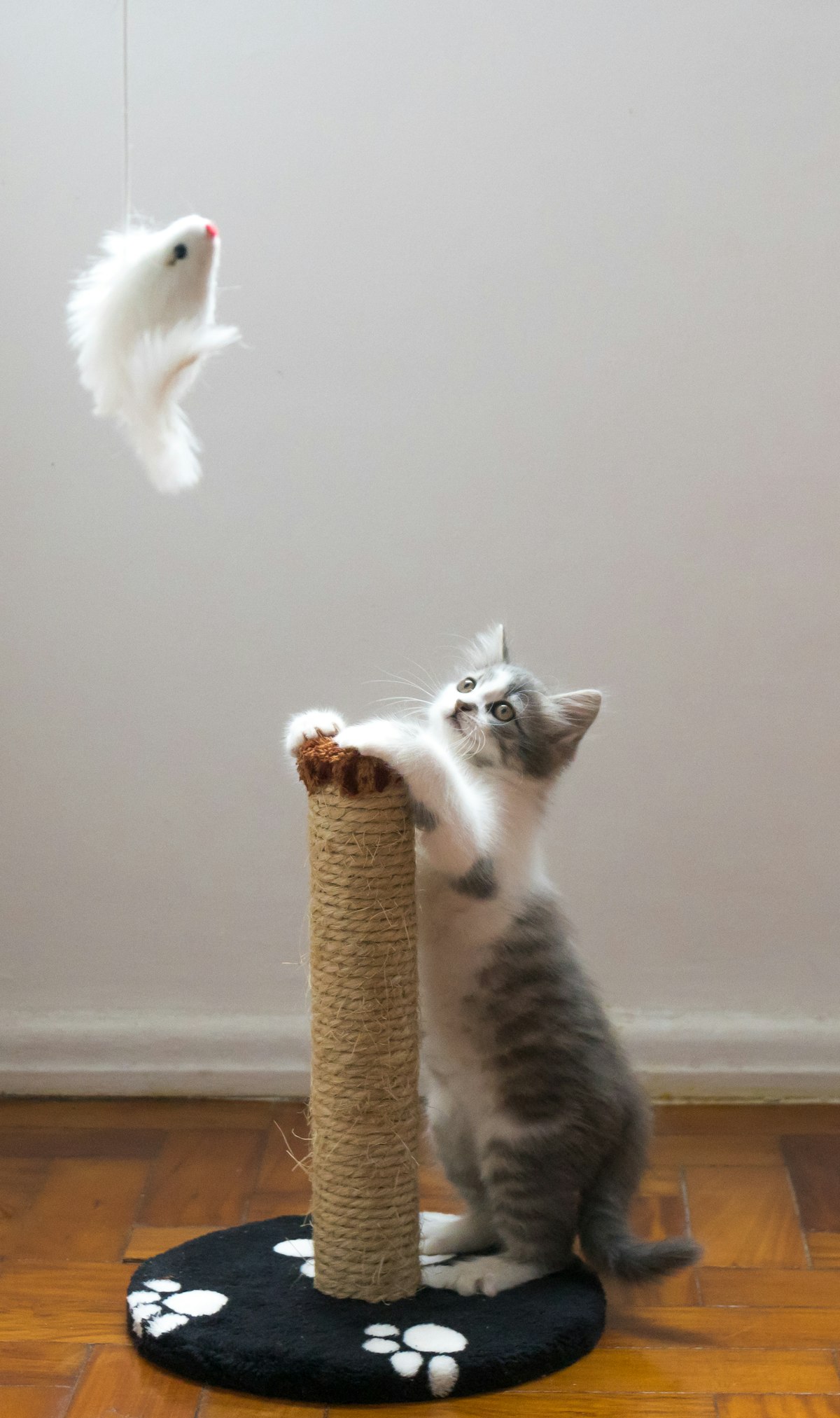
I spent the first year of cat ownership buying whatever litter was on sale. That’s a mistake. Miso would refuse to use the box if she didn’t like the texture, and I’d find puddles on the bathroom mat as her protest. She’s a picky cat with strong opinions about her bathroom situation.
So I ran an experiment. One cat, three different litter types, two weeks each. Same box, same location, same cleaning schedule. Here’s how each one performed.
Phase 1: Clumping Clay (World’s Best Cat Litter)
This is the standard. Fine-grained, clumps on contact, the kind of litter most people start with. World’s Best is corn-based rather than clay, which means it’s flushable and biodegradable. Miso accepted it immediately — her paws hit the box and she was fine.
The clumping performance is excellent. Urine clumps are firm and don’t break apart during scooping. Odor control is solid for about 10 days, then starts to weaken. By day 12, the box needs a full change. Dust level is low but not zero — you’ll see a fine powder on the lid of the covered box after a week.
The real problem is cost. At $22 for a 28-pound bag, and using about 3 inches of depth, you’re looking at $25-30 per month for one cat. For two cats, double that. That adds up to $300-360 per year for litter alone.
Also, Miso tracks it everywhere. The fine grains stick to her paws and end up in my bed, my keyboard, and my coffee mug. I love my cat. I do not love finding her litter in my coffee.
Phase 2: Silica Crystals (PrettyLitter)
PrettyLitter’s whole shtick is health monitoring — the crystals change color based on urine pH, theoretically alerting you to health issues. Miso hated it. The first time she stepped into the box, she hopped out like it burned her. She held it for 14 hours before finally giving in and using it.
The crystals are larger and sharper than clay grains. Some cats don’t mind. Miso is not some cats.
Odor control is genuinely impressive. Silica absorbs moisture and traps smells at the molecular level. The box smelled fresh for the full two weeks, which is better than any clay litter managed. There’s virtually no dust. Tracking is minimal because the crystals are too big to stick to paws.
But the texture rejection was a dealbreaker. If your cat doesn’t care about paw feel, this might work. But introducing a new litter to a picky cat is risky — and if they decide to hold their bladder, you’re looking at a urinary tract infection. Not worth the gamble.
At $25 for a 4-pound bag, and needing a full change every 3-4 weeks, the monthly cost is about $25. It’s slightly cheaper than clay, but the cat acceptance rate is lower.
Phase 3: Pine Pellets (Feline Pine)
I expected Miso to hate these. They’re large, hard pellets that break down into sawdust when wet. Instead, she walked in, sniffed them, and started digging like she’d been using pine her whole life. Cats are weird.
Pine pellets work differently than clay or silica. When urine hits the pellets, they break down into sawdust that falls through a sifting box into a lower tray. Solid waste sits on top of the pellets and gets scooped normally. The sawdust tray needs emptying every 3-4 days.
The odor control is the best of the three, as long as you sift properly. Pine has natural enzymes that neutralize ammonia. The box smells like a forest, not a litter box. Dust is zero. Tracking is minimal — the pellets are too big to carry far, and the sawdust stays in the lower tray.
Cost is where pine wins. A 40-pound bag of Feline Pine costs $12 and lasts about 6-8 weeks for one cat. That’s $6-8 per month. Less than a third of the cost of clay.
The downsides: you need a sifting box setup. Regular litter boxes don’t work with pine because the sawdust needs somewhere to go. We bought a $25 sifting box that sits on top of a standard pan, and that’s the whole setup. Also, some cats don’t like the larger pellets — but ours did, and I’ve heard the same from other owners.
The Winner
We switched to pine pellets permanently. Miso uses the box without hesitation, the smell is noticeably better, and I’m spending $72 per year instead of $300. The sifting takes about two minutes every three days, which is less time than I spent scooping clumps daily with the clay.
I’ll say it plainly: pine pellets are the best cat litter for most households. Clay is fine, but it’s expensive and dusty. Silica is good for odor but risky with picky cats. Pine combines the best features of both at a fraction of the cost.
The only reason not to switch is if your cat is set in their ways and refuses new textures. But if you’re getting a new kitten, or if your current cat isn’t picky, start with pine and save yourself the trial-and-error. I wish someone had told me this a year ago.